


Portable power stations are innovative and convenient devices that have transformed the way we access electricity. These power stations are designed to be portable, and lightweight, and offer a reliable source of power for your devices on the go. They are perfect for outdoor enthusiasts, travelers, and anyone who needs a quick and easy way to charge their devices.
These power stations have become incredibly popular due to their versatility. They can power a wide range of devices, including laptops, smartphones, cameras, and even small appliances. They are also eco-friendly, using rechargeable batteries rather than fossil fuels.
With a portable power station, you can stay connected and energized no matter where you are. You can take them on camping trips, or road trips, and even use them in emergencies when the power goes out. These devices offer peace of mind and make life easier and more convenient.
Portable power stations are a game-changer in the world of power supply. They are practical, reliable, and convenient devices that have made staying connected and powered up a breeze. With a portable power station, you will never have to worry about being without power again.
Why Choose Us?
Professional Technical Team
We have a professional team -- we have rich research and development, and production experience in FPC/PCBA/ic/ new energy and other fields. At present, Zhuhe Technology Center has more than 50 software and hardware development engineers, with an average of more than 10 years of design experience, and more than 86 national patents. Form the core technology competitiveness, and support the enterprise innovation strategy.
Reliable Product Quality
The company has a strong R & D team and professional automated production line, gradually introduces advanced production equipment and increases the level of production line automation investment, improves the production capacity and manufacturing technology level, establishes a perfect quality management system and supply chain system; Provide the best quality intelligent control solutions and products, at the same time can provide OEM/ODM/JDM services.
Wide Product Range
The company's intelligent controller products cover smart homes, household appliances, industrial control, and other related intelligent control products. The Group has diversified products and technologies, including semiconductor devices, pulse motors, high-frequency transformers, inductors, and PCBA (printed circuit board assembly) and FPCA (flexible printed circuit assembly), which are core components of various electronic products, focusing on high-speed data transmission and communication, automotive electronics, medical electronics, industrial control products, and new energy technologies.
One-Stop Service
Over the years, Zhuhe has been providing customers with one-stop quality services from PCB manufacturing to component procurement and assembly, from PCB board and assembly manufacturers to provide a variety of advanced and state-of-the-art circuits at affordable prices. The trust and support of our customers is our strongest driving force. Suitable for many applications and fast turnaround assembly services.
What is Portable Power Station?
Portable power station is a device that provides portable power for electrical devices. It is specifically designed for outdoor activities such as camping, hiking, and other adventures where there is no access to electricity. A portable power station typically consists of a large rechargeable battery, a built-in inverter, and several outlets where users can connect different electronic devices such as laptops, smartphones, and tablets. Portable power stations can be recharged using solar panels, car adapters, and wall outlets.


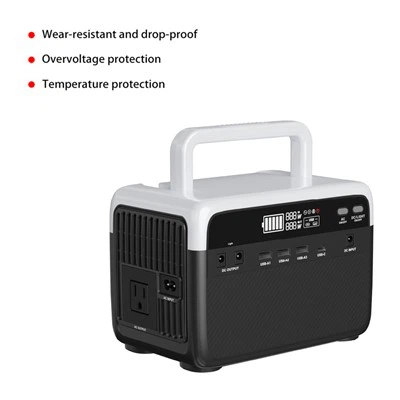

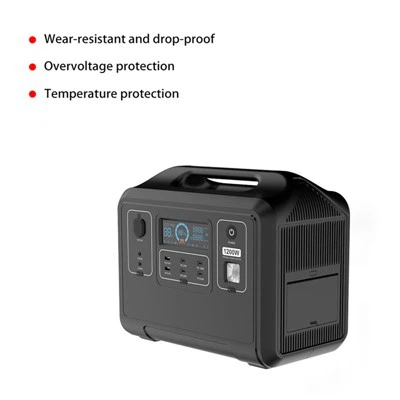
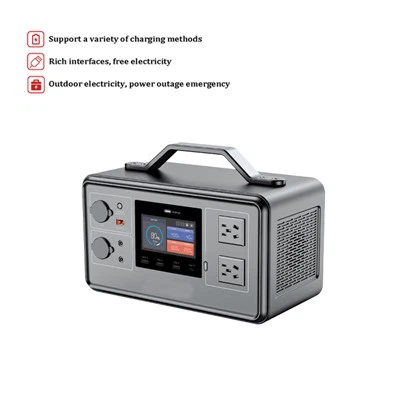

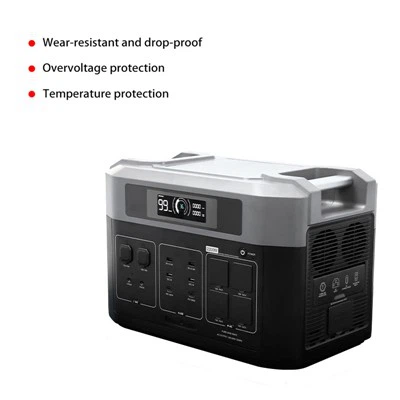
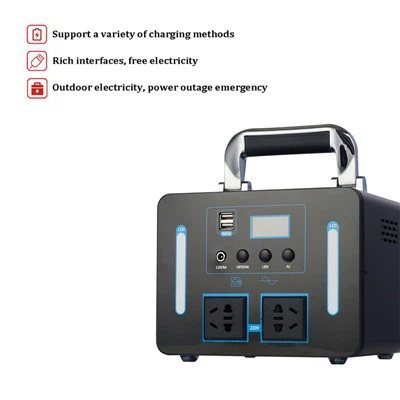
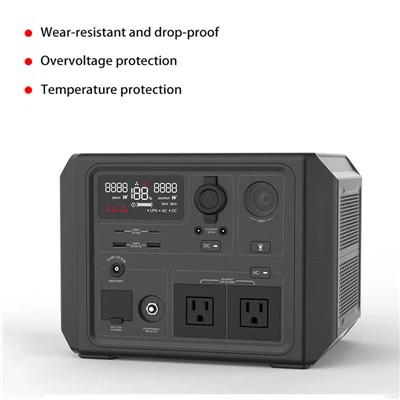
Product Categories
Latest Products


Portable power stations have a variety of applications across different settings; These compact and versatile devices are designed to provide on-the-go power for various electronic devices and appliances. Here are common applications of portable power stations:
Outdoor Activities:
Camping: Portable power stations are essential for camping trips, providing a reliable power source for lighting, charging devices, and running small appliances.
Hiking and Backpacking: Lightweight and portable, these power stations are suitable for powering devices such as GPS devices, smartphones, and cameras during outdoor excursions.
Emergency Power Backup:
Power Outages: Portable power stations serve as backup power sources during power outages, ensuring that essential devices like lights, communication devices, and medical equipment remain operational.
Natural Disasters: In the aftermath of natural disasters, portable power stations can be invaluable for powering communication devices, medical equipment, and charging essential electronics.
Recreational Vehicles (RVs) and Boating:
RV Camping: Portable power stations provide off-grid power for RVs, allowing users to run lights, and small appliances, and charge electronic devices without relying solely on RV batteries or external power sources.
Boating: Compact power stations are suitable for providing power on boats, whether for lighting, navigation equipment, or charging devices.
Remote Work and Travel:
Remote Work: For individuals working remotely or traveling for business, portable power stations offer a convenient solution for keeping laptops, smartphones, and other work-related devices charged.
Traveling: Whether on road trips, in hotels, or at airports, a portable power station ensures that devices stay charged, providing convenience for travelers.
Outdoor Events and Festivals:
Concerts and Festivals: Portable power stations are ideal for powering speakers, lights, and charging stations at outdoor events and festivals where access to electrical outlets may be limited.
Tailgating: Tailgaters can use portable power stations to grill, power small appliances, and run entertainment devices.
Construction and Job Sites:
Construction Sites: Portable power stations offer a convenient and mobile power source for charging tools, running small equipment, and powering lighting on construction sites.
Job Sites: Contractors and workers can use portable power stations for various tasks, ensuring a reliable power supply in locations without access to traditional electrical outlets.
Off-Grid Living:
Remote Cabins: Individuals living in remote or off-grid locations can use portable power stations as a supplementary power source for basic electricity needs.
Tiny Homes: Portable power stations provide an energy-efficient solution for powering lights, appliances, and electronics in tiny homes or alternative living spaces.
Medical Devices:
Healthcare: Portable power stations are crucial for powering medical devices in settings where a consistent and reliable power source is necessary. This includes home healthcare, clinics, and medical outreach programs.
Tailored DIY Projects:
DIY Enthusiasts: DIY enthusiasts can use portable power stations for various projects that require a mobile power source, such as power tools, lighting, and charging electronic components.
Charging Electric Vehicles (EVs):
Emergency EV Charging: Some portable power stations come with the capability to charge electric vehicles in emergencies, providing a backup charging solution for EV owners.
Portable power stations offer a versatile and convenient power solution for a wide range of applications, from outdoor activities to emergency backup and off-grid living. Their compact design and ability to provide clean and portable energy make them valuable tools in various settings.
Advantages of Portable Power Station
The platform eco-system of a giant generator like this is its battery-powered life. It also operates a pure sine wave mechanism that converts DC into Alternating current. This means that when the light goes out indoors or you need electricity outdoors, portable power brings you plug-and-play convenience without you needing to connect it directly to a power outlet.
Battery-operated power stations are not called portable for no good reason. They are called portable because they are small, lightweight, and reliable. So, whether you need them during outdoor activities or on a long trip, you can easily pack your portable energy source in your small essentials bag for your outdoor trips.
The last thing you want is a dead cell phone battery, especially when needed. A situation like this is most typically in an outdoor setting but is not uncommon indoors. This is where the portable powered battery comes in handy. If you don't, charging your devices still won't be a problem. The best feature of a power station is its wireless charging ability. This giant battery can power a wide range of devices without a USB chord thanks to the 15W wireless charging feature. So long as you stay within this range, charging your devices is possible even without the USB cord.
The most significant benefit of portable power stations is that they don't die. Well, technically, they do, but their rechargeable feature means you can easily recharge them when they die. You're probably thinking about how possible it is to charge these power stations when you will be using them outdoors. While portable power generators allow for AC charging at home, if you will use your vehicle outdoors, it's also possible to recharge them with your car adapter.
It's no fun to wait for more than 10 hours for your phone, tablet, or speaker to charge fully before your device runs fully powered. The good thing about portable renewable energy sources is their high-speed and quick rechargeability which efficiently gets your device fully recharged in the fastest time possible.
Safety is paramount, whether indoors or outdoors. A major drawback of using a standby generator and many traditional power sources is that they are not eco-friendly, thanks to the fumes they expel from using fuel to run. However, power stations won't harm the environment. They operate a battery management system. Hence, they don't require toxic solvents or fossil fuels to run. Battery-operated power stations are a reliable source of green energy.
As mentioned earlier, these battery-powered generators don't expel harmful fumes or vapors. Neither do they make any noise, vibrate, or overheat.
Most people fear purchasing electrical equipment that may overheat and explode, putting them, their pets, and their kids at a safety risk.
Although most battery-operated devices are prone to these disasters, the best part of using a portable power station is that they come with a stability feature that prevents hazardous situations.
Electricity bills are a thorn in the flesh. Imagine paying over $200 for electricity monthly. These battery-powered portable power stations remove some of the strain on your finances.
For instance, if you have a camper trailer or use a separate building from your home for recreation, you can use this portable station as a source of electricity.
In short, you enjoy free energy!
We live in an electronic age where almost every nook and cranny has experienced advanced technologies and while nobody plans to enter a place where there isn't a grid available sometimes, it does happen, especially during camping or on a hiking trip. You don't want to run out of power in these situations. Losing power means you won't be able to contact people outside during an emergency. A portable power station is a backup power supply that eliminates your electricity shortage anxiety. This way, you can stay in touch with loved ones, even during an emergency.
You know by now that besides having a battery management system, these giant batteries are also solar-powered. The fascinating thing about these solar panels is that they are durable and waterproof. They are usually designed with an ETFE-laminated case, which is durable enough to extend the lifespan of the solar panel. Plus, the ETFE-laminated case gives it waterproof capabilities to endure all weather conditions, especially during outdoor activities.
Not many traditional solar-operated power systems are self-sustainable. Even generators used today rely on fuel to function. While a portable power station does rely on batteries to run, their solar panel features also mean they can work independently of batteries. Once they charge up, they will continue providing power during the electricity crisis.
Types of Portable Power Station
Lithium-ion portable power station
These are the most common type of portable power stations. They use a lithium-ion battery to store power and can be charged using a solar panel, wall outlet, or car charger.
Lead acid portable power station
These use a lead acid battery and are mainly used for camping, fishing, and other outdoor activities.
Fuel-based portable power station
These use gasoline, propane, or diesel to generate power and are mainly used as a backup power source for homes or to power construction tools in remote areas.
Application of Portable Power Station
OK, this is probably one of the most obvious reasons you're interested in a portable power station: backup power. If you live in a residential area that's prone to frequent blackouts, a region that's especially vulnerable to storms, or if you just want peace of mind for emergencies, then a portable power station is a wise investment for your home.
Camping is a wonderful opportunity to unplug and unwind from our daily routines – but it's also nice to bring some of the comforts of modern living with us. The ability to stay connected at all times to our careers or online life can be a luxury or a burden, depending on how you look at it. One thing is for certain: having reliable access to power anywhere on Earth is a present-day miracle for convenience.
Not to sound overly dramatic, but the future of our planet is dependent on us turning away from fossil fuels and embracing renewable sources of energy. You can do your part in this movement (and save money!) by utilizing solar panels to recharge your portable power station.
Speaking of the power grid: I'm sure we would all love to become less dependent on it, particularly for financial reasons. Plug into your portable power station during the day when electricity is at peak hours, then switch back to the power grid at night for cheaper usage. Though the monetary benefit may be relatively small, the satisfaction of circumventing the power grid might make the adjustment worth it to you.
Gas generators certainly have their uses and benefits—but they come with some serious drawbacks, due to the obnoxious sound and noxious fumes they emit. Not to mention their big, bulky design makes them a pain to lug around. Alternatively, portable power stations can offer enough power for many of your home appliances – and without the need to stockpile gasoline to keep them running. Better still, you can use them indoors for much easier access to your essential devices. Gas generators, meanwhile, are outdoors only.
While many of today's RVs feature multiple AC outlets, they do not have an unlimited supply of power. Whenever you have lots of appliances plugged in at once, you run the risk of blowing a fuse. To prevent this, give your RV's battery a break by transferring some of those devices to a portable power station.
When you've had enough of staring out the window or playing games of “I Spy”, our phones, tablets, and laptops are there to keep our sanity on long car rides. As such, everyone's going to be fighting over the limited (if any) outlets available to keep their chosen device powered.
Whether you're on long treks or not, it's wise to always keep essential survival gear in your car in case of roadside emergencies. Consider adding a portable power station to that safety kit. And in the unfortunate predicament where your car battery has died and no one's around for miles, don't fret! While the power station cannot immediately jumpstart your car, they can gradually restore energy to the battery. With a little patience, you'll be back on the road without the need for jumper cables and a Good Samaritan nearby.
Three Core Components Of The Portable Power Station
Battery and BMS
Portable power stations currently on the market use two types of batteries, one is a ternary lithium-ion battery, and the other is a lithium iron phosphate battery. We evaluate battery life and safety factors from two aspects. The number of cycles of lithium-ion batteries is 500+, and the number of cycles of lithium iron phosphate is 2000+. In terms of service life, lithium iron phosphate batteries are even better. Lithium-ion batteries are lighter than lithium iron phosphate batteries. Both lithium-ion batteries and lithium iron phosphate batteries are equipped with intelligent BMS control systems to prevent battery overcharge, over-discharge, short circuits, and other protective measures.
Inverter
There are two main types of inverters, one is a pure sine wave, and the other is wave trimming. The output waveform of the pure sine wave is the same as the mains. Strong compatibility and strong anti-electromagnetic interference ability. It is not easy to damage electrical appliances. The use of precision equipment in the wave repair scheme is likely to cause damage to the equipment, and the compatibility is weak. Not recommended. A good inverter has functions such as overload protection, short circuit potection, temperature protection, and under-voltage protection.
DC control system
The DC control system is the central controller of the portable power station, responsible for the operation monitoring and protection of the entire machine. Common portable power stations are equipped with more than 2 USB ports for charging mobile phones and small digital products. Most of them are equipped with Type_c interface PD60W, mainly for Laptop charging, 12VDC5521 interface, car cigarette lighter interface, mainly responsible for the use of car refrigerator, rice cooker, camera, lighting, the control system also plays a role in monitoring battery power, use time and other parameters. An intelligent portable power station can meet all our daily needs and solve the damage caused by natural disasters such as camping, earthquakes, hurricanes, etc.

How Does a Portable Power Station Work?
A portable power station consists of a battery, a power inverter, and a set of outlets or ports for connecting electronic devices. The battery stores electrical energy, which is then converted by the power inverter into the type of electricity needed by your devices (e.g. AC or DC power). The converted electricity is then delivered to your devices through the outlets or ports.
Comparison of Portable Power Stations to Traditional Generators
|
ADVANTAGES |
PORTABLE POWER STATIONS |
TRADITIONAL GENERATORS |
|
Safety |
Doesn’t produce harmful emissions |
Releases carbon monoxide |
|
Size |
Compact and lightweight, easy to store and transport |
Bulky and heavy, require more storage space |
|
Noise |
Quiet operation, no loud engine noise |
Loud engine noise, can be disruptive |
|
Recharging Options |
Can be recharged using solar panels, car chargers, or traditional wall outlets |
Require gasoline or diesel fuel to run, need to be refueled regularly |
|
Transportability |
Easy to move from one location to another, ideal for off-grid locations |
Difficult to move, require a vehicle or trailer to transport |
|
Storage |
Can be stored indoors or outdoors, no special storage requirements |
Require proper storage to prevent fuel spills and leaks |
How to Use the Portable Power Station
Charge the battery
Before using your portable power station, be sure to fully charge the battery. This will ensure that you have enough power to power your devices. Most portable power stations can be charged via a wall outlet, a car charger, or a solar panel.
Connect your devices
Once the battery is fully charged, connect your electronic devices to the portable power station using the appropriate outlets and ports. Make sure to follow the instructions provided by the manufacturer to avoid damaging your devices or the portable power station.
Turn on the portable power station
Once your devices are connected, turn on the portable power station. This will begin delivering electricity to your devices.
How to Make Portable Power Station?
Sketching a portable power station diagram is step one, just as it is with any other DIY project that deserves to be taken seriously, and it is the first thing that needs to be done. That implies you should begin by making a rough sketch of the connections between the many significant aspects of the issues. You should now sketch out what the surface of the completed product will seem to be like.
When it comes to wiring and the positioning of components inside the Enclosure, having clear schematics will decrease the need for guesswork and make the process more efficient.
The subsequent step is to start looking for replacement parts in the surrounding area. In order to create your portable power station, you need to do some shopping in order to get all of the components that are essential. The cheerful piece of information is that you may now take out this activity either in person or online. This gives you more flexibility.
Connecting the battery, the battery management system and any other components housed inside the Enclosure may take place as soon as the Enclosure preparation work has been finished. You will now link the individual components to the graph in the fifth step.
Before you put your portable power station to use, you are free to personalize the finishing touches in any manner that you see appropriate. You could, for example, you can give the Enclosure of the portable power supply station a recognizable color so that it stands out, or you might put wheels so that it is more mobile. Both of these options would help to draw attention to the device.
Importance of Portable Power Stations in a Renewable Energy Future
Portable power stations help reduce reliance on traditional power grids with their sustainable and clean energy practices.
Portable power stations offer advantages over traditional generators because they can use renewable energy to generate electricity without relying on the grid – thereby reducing emissions associated with traditional sources of electricity generation.
In addition, choosing a backup generator helps maintains reliability in preparing for emergencies and provides peace of mind knowing there is reliable source of power available in case local grids become corrupted or overloaded.
Portable power stations are an important tool in making the transition to renewable energy. They provide a clean and sustainable source of power, allowing users to break free from reliance on traditional fossil fuels which emit harmful greenhouse gases that damage the environment.
By harnessing these power sources, portable powers stations not only promote sustainability but also help contribute toward reducing global emissions while minimizing our impact on the planet.
Portable power stations are an important component of disaster resilience, as they provide reliable backup power sources during emergency situations. These versatile units can be used to power off-grid locations or essential medical devices and equipment while keeping occupants connected to vital information.
Accessing a range of energy sources (such as solar panel or wind turbines), portable power stations offer a more sustainable source than traditional gas-powered generators and contribute positively towards the global effort in combating climate change.
By reducing reliance on traditional grids and investing into renewable energy practices, portable power stations help individuals remain safe and comfortable during natural disasters – even when there is limited access to electricity elsewhere.
5 Things You Should Look for When Buying a Portable Power Station
Another important thing you should be looking for in a portable power station is battery technology or the type of battery it utilizes. The type of battery used in a portable power station heavily determines the size, weight, cost, charging speed, and how long your power station can keep producing AC power before cutting off. Lithium-ion batteries charge three times faster than lead-acid batteries and are the most energy dense out of the three. On the other hand, lithium-polymer batteries are less energy dense than Li-Ion batteries but have fast charging capabilities and are generally safer to use than Li-Ion and lead acid batteries. While lead-acid batteries are the most affordable of the three, but are also bulky, slow-charging, and have the least energy density.
Power Input and Output Ports
When it comes to portable power stations, you can never have enough ports for charging and powering your devices. This is especially true for DC-powered charging ports since you can always use an extension cord to have more AC outlets.
Battery Capacity
When looking for a portable power station, battery capacity is the most important specification you should be looking for. The bigger the battery capacity, the longer you can run your devices per charge. So, in general, buy the highest capacity battery you can. However, considering size, weight, and cost, you might want to go for a more calculated approach when considering the battery capacity of your portable power station.
Peak and Continuous Wattage
Peak and continuous wattage are also important specifications you should be looking for when buying a portable power station. Although portable power stations are usually used to power computers, TVs, and other electronic gadgets, they can also power things like refrigerators, corded power tools, electric fans, and kitchen appliances such as blenders and food processors. However, these devices can only be powered by a portable power station if they have enough peak and continuous wattage.
Inverter Technology
Depending on the device you're trying to power, having the right inverter in your portable power station can save your delicate devices from damage and make them work as efficiently as possible, saving battery charge. Power inverters are electrical components that convert your battery's direct current (DC) to alternating current (AC). DC is used to charge your battery-powered handheld devices, such as your phone, tablet, and Bluetooth earbuds, while AC is used to power more power-hungry devices, such as your laptop, computer, TV, and gaming consoles.
Maintenance Tips for Portable Power Station
Charge the battery regularly
To ensure that your portable power station is always ready to use, be sure to charge the battery regularly, even if you're not using it. This will help to maintain the battery's health and extend its lifespan.
Follow the manufacturer's instructions
To ensure that your portable power station works properly and lasts for years to come, be sure to follow the manufacturer's instructions for use and maintenance. This includes charging the battery, connecting devices, and cleaning and storing the portable power station.


Keep the battery cool
To help extend the lifespan of the battery, be sure to keep it cool. Avoid exposing the battery to extreme heat or cold, as this can damage the battery and reduce its performance.
Use the correct charging equipment
To ensure that your portable power station is charged safely and efficiently, be sure to use the correct charging equipment. This may include a wall charger, a car charger, or a solar panel. Avoid using third-party charging equipment, as this may not be compatible with your portable power station and could damage the battery.
Certifications


ZHUHE Group is a comprehensive service provider of electronic technology and electronic products with a history of more than 10 years. Starting from a small company, we continue to expand the field of electronic applications and provide customers with advanced intelligent control solutions. Now we have 11 subsidiaries of our own. To provide customers with professional OEM/ODM services. Company management standards, adhere to providing quality products and services to customers.
Ultimate FAQ Guide to Electronic Component
Q: Is it worth buying a portable power station?
Q: How long will a portable power station run?
Q: What is the difference between a power bank and a portable power station?
Q: What is the difference between a portable generator and a power station?
Q: What size portable power station do I need?
Q: Why would you need a portable power station?
Q: Can you leave a portable power station plugged in all the time?
Q: Can a power station run a microwave?
Q: How do you connect a portable power station to your house?
Q: Can I use my portable power station while charging?
Q: Can you charge and use a portable power station at the same time?
Q: Is it worth it to buy a portable power station?
Q: Is an inverter better than a power station?
Q: How do I choose a power station?
Q: What is the most common power station?
Q: What is the difference between a power plant and a power station?
Q: How many years does a power station last?
Q: Which type of power station takes the least time to start up?
Q: How long does a 200W portable power station last?
Q: What is the difference between a portable generator and a power station?
We're well-known as one of the leading portable power station manufacturers and suppliers in China, featured by quality products and good service. Please rest assured to wholesale customized portable power station at competitive price from our factory. For more cheap products, contact us now.
, Outdoor Power Station