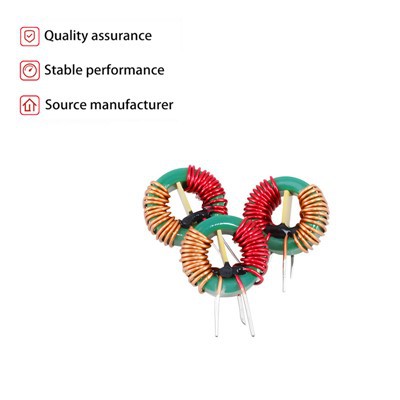
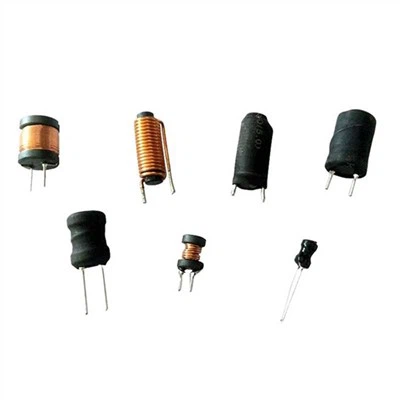
Electronic devices use Inductor Electronic Components to store energy in a magnetic field. This type of coil is available in a wide range of sizes and shapes and is used in a variety of applications, including power supplies, RF filters, and voltage regulators. Many electronic devices would not work without inductive coils.
10 Tips for Safe Storage of Inductive Coils
Tip 1: Selecting the Right Storage Location
1. Temperature control:
Inductor coils are sensitive to temperature changes and storing them in extreme temperatures can damage them. Therefore, it is critical to select the proper storage location for temperature control to ensure the life and performance of your inductor coils.
The ideal storage temperature for inductive coils is between 15°C and 30°C (59°F and 86°F) with a recommended humidity level of 40% to 60%. Any temperature above or below this range will affect the performance of the inductor coils, and extreme temperatures may even cause permanent damage.
2. Humidity Control:
Humidity also affects the performance of inductor coils. High humidity levels can cause the metal parts of the inductor coil to rust or corrode, thus affecting its performance. On the other hand, low humidity levels can cause coils to dry out and become brittle, leading to cracking and eventual failure.
To ensure safe storage of inductor coils, it is recommended to choose a storage location with humidity control. This can be accomplished through the use of a dehumidifier or humidifier, depending on the current humidity level at that location. It is recommended that the humidity level of the inductor coils be maintained between 40% and 60%.
3. Avoid direct sunlight:
Direct sunlight can also adversely affect inductor coils. Exposure to direct sunlight can cause the temperature of the storage location to rise. Ultraviolet radiation can cause deterioration of the insulation on the coil, ultimately affecting the performance and life of the inductor coil.
To prevent this, inductor coils must be stored in a location that is protected from direct sunlight. This can be accomplished by storing them in a dark, cool place such as a closet or windowless storage room. In addition, covering the coils with a protective material such as a tarp or blanket can further protect them from accidental exposure to sunlight.
Tip 2: Store in a dry environment
1. Importance of keeping moisture out:
Inductor coils are susceptible to moisture, which can cause metal parts to rust or corrode, damage insulation, and ultimately affect the performance and life of the coil. Moisture also promotes the growth of mold and fungus, which can further deteriorate the coil.
To ensure safe storage of inductor coils, it is vital to keep moisture away from them. This can be accomplished by storing them in a dry environment with low humidity. It is also recommended to avoid storing coils near water sources or in areas prone to moisture, such as basements or poorly ventilated areas.
2. Use desiccant to absorb moisture:
Desiccants are substances used to absorb moisture from the air and create a dry environment. They are commonly used in storage spaces to prevent moisture from damaging sensitive materials such as induction coils.
One of the most common types of desiccant is silica gel, which is a porous substance that effectively absorbs moisture. When using silica gel, it is recommended that it be placed in a breathable container and placed in the same storage space as the inductor coils. The container should be inspected periodically and the silica gel should be replaced or replenished when it becomes moist.
Another desiccant is activated carbon, which absorbs moisture and eliminates odors. Activated carbon is often used in combination with silica gel to protect against moisture.
Tip 3: Avoid exposure to magnetic fields
1. Magnetic fields affect Inductor Electronic Components as follows.
Inductive coils are used in electronic circuits to store and release energy in the form of magnetic fields. However, exposure to external magnetic fields can affect the performance of inductor coils and cause interference with electronic circuits.
When exposed to strong magnetic fields, inductive coils become magnetized and lose their ability to store energy. In addition, exposure to magnetic fields can cause eddy currents to form in the metal parts of the coil, which can generate heat and eventually damage the coil.
2. Avoid storing inductor coils near magnetic sources:
To ensure safe storage of inductive coils, it is critical to avoid storing them near magnetic sources. This includes devices such as speakers, motors, transformers, and other inductive coils.
Ideally, inductor coils should be stored safely away from magnetic sources. It is recommended that a distance of at least three times the size of the magnetic source be maintained from the coil. If it is not possible to maintain a safe distance, the inductor coil should be shielded with a material such as mu-metal (a highly antimagnetic alloy).
In addition to avoiding storing inductive coils near magnetic sources, they must be handled carefully to prevent accidental exposure to magnetic fields. This includes avoiding dropping or hitting the coils, which can cause them to become magnetized and lose their ability to store energy.
Tip 4: Store in original packaging.
1. Explanation of the benefits of storage in the original packaging:
Inductive coils are packaged to protect them during transportation and storage. Packaging usually includes materials such as foam, plastic, or cardboard to cushion the coils and prevent them from coming into contact with any external elements that could cause damage. Therefore, storing inductive coils in their original packaging provides additional protection and prevents damage during storage.
In addition to providing protection, storing inductive coils in their original packaging keeps them organized and easily identifiable. This is especially important for large quantities of coils or coils with similar physical characteristics. By keeping them in their original packaging, you can easily identify the coils and ensure that they are stored correctly.
2. Keep labels and part numbers:
Inductive coils often carry labels and part numbers that provide important information about their specifications and intended use. Storing inductive coils in their original packaging helps retain this labeling and part number information.
The labels and part numbers on the original packaging can be used to ensure that the inductor coils are stored in the correct environment, as well as to track inventory and usage. This is especially important for manufacturers or repair stores that need to keep track of large quantities of inductive coils.
If the original packaging is not available, it is recommended that storage containers or shelves be labeled with the associated part numbers and specifications. This ensures that the inductive coils are easily identifiable and that their intended use and storage requirements are understood.
Tip 5: Using Anti-Static Bags
1. The following are the benefits of using anti-static bags.
Anti-static bags are specially designed bags for storing and transporting electronic components such as inductive coils. These bags are made of low-resistance materials that help prevent static electricity.
Anti-static bags for inductive coils offer many benefits:
- Electrostatic Discharge (ESD) Protection - Inductors are sensitive electronic components that can be damaged by ESD due to static buildup and discharge. anti-static bags help prevent static buildup, thereby reducing the risk of ESD and protecting inductors from damage.
- Maintain Performance - Static electricity can also affect the performance of inductive coils. By using antistatic bags, you can maintain coil performance and ensure they operate as intended.
- Organization and Identification - Anti-static bags are usually transparent, making it easy to identify the contents. This is especially important for manufacturers or repair stores that need to keep track of large quantities of inductive coils.
2. Anti-static protection:
Static electricity is a common problem in many environments and is especially problematic when dealing with electronic components such as inductive coils. The buildup of static electricity can cause damage to coils as well as affect their performance.
To prevent static electricity, it is important to use anti-static bags when storing or transporting inductive coils. In addition to using anti-static bags, it is also recommended to use anti-static mats and wrist straps when handling electronic components. This is to prevent static buildup.
When working in a static-prone environment, extra precautions must be taken to prevent static buildup. This includes minimizing movement and using humidifiers to increase the moisture content of the air, which can reduce static buildup.
Tip 6: Handle with care
1. A description of how rough handling can damage inductor coils:
Inductor coils are delicate electronic components that can be easily damaged if not handled properly. Some of the ways rough handling can damage inductor coils include:
- Physical Damage - Inductance coils are made of thin wires tightly wound around an iron core. Rough handling can cause the wire to break or the core to become misaligned, which can affect the performance of the coil.
- ESD Damage - Inductor coils are also sensitive to electrostatic discharge (ESD) as discussed in Tip 5. Rough handling can lead to a buildup of static electricity, which can result in ESD damage.
- Contamination - Inductors can easily become contaminated with dust, oil, or other substances. Rough handling can lead to contamination, which can affect the performance of the coil.
2. Importance of gentle handling:
To avoid damaging inductor coils, handle them with care. Gentle handling prevents physical damage, ESD damage, and contamination.
Some tips for gentle handling of inductor coils include:
- Use appropriate tools - When handling inductors, use tools designed for the purpose, such as tweezers or pliers. Avoid using tools that are too large or too small as they can damage the coil.
- Use Clean Hands - Always make sure your hands are clean before handling inductor coils. This will prevent contamination and protect the coil from damage.
- Avoid Using Too Much Force - Be careful not to use too much force when handling inductive coils. This may cause physical damage or coil misalignment.
- Use Protective Packaging - When shipping inductive coils, use protective packaging such as anti-static bags or foam padding to prevent damage during shipping.
Tip 7: Keeping Inventory
1. It is important to keep track of inductor coils:
Keeping track of your inductor coils is important for the following reasons:
- Prevent Loss - When you keep track of inductor coils, you are less likely to lose them. This saves you time and money in replacing coils.
- Planning - Keeping an inventory helps you plan for future projects and ensures you have the necessary components on hand.
- Monitor Usage - By tracking inductive coils, you can monitor their usage and determine when they need to be replaced.
- Cost Control - Keeping inventory also helps you control costs by minimizing the need for emergency purchases and reducing the risk of backlogged inventory.
2. Ways to keep inventory:
There are several ways to keep inductive coils in stock. Some of these include:
- Spreadsheet - You can create a spreadsheet that lists all of your inductor coils, including their part numbers, quantities, and locations. This is an easy-to-use method, but can be time-consuming to maintain.
- Bar Code System - A bar code system involves assigning a unique bar code to each inductor coil and scanning it upon receipt or use. This method is more efficient than spreadsheets but is more expensive to set up.
- Inventory Management Software - Inventory management software can help you keep track of your inductor coils, including quantity, location, and usage. This method is the most efficient, but the most costly.
Whichever method you choose, it's important to keep accurate records and update your inventory regularly. This will ensure that you always know what inductive coils you have on hand.
 Tip 8: Rotating blanks
1. an explanation of why rotating inventory is important:
Rotating inventory is the practice of using the oldest inventory first and then placing new inventory behind it. This is important for several reasons.
- Prevents obsolescence - Inductive coils may become obsolete if they are not used for a certain time. By rotating your inventory, you can ensure that older coils are used first and reduce the risk of obsolescence.
- Ensure Freshness - Just like food, inductive coils lose their effectiveness over time. By rotating your inventory, you can ensure that you are using the freshest coils possible.
- Reduce Waste - When coils become obsolete or lose their effectiveness, they must be discarded. By rotating your inventory, you can reduce waste and save money.
2. Ways to rotate blanks:
There are several ways to rotate your inventory, depending on the size of your inventory and how often you use it. Some methods include:
- First In First Out (FIFO) - This method involves using the earliest inventory first and then placing new inventory behind it. This is the simplest and most common method of turning blanks.
- Last In First Out (LIFO) - This method involves using the new stock first and then placing the old stock in front of it. This is less common than FIFO but may be useful for certain types of inventory.
- ABC Analysis - This method involves categorizing inventory based on its value and frequency of use. You can then rotate your inventory according to the ABC categories so that high-value or high-use items are rotated more frequently.
- Computerized Inventory Management System - This method involves using a computerized system to track inventory and automatically rotate it based on predetermined rules.
Whichever method you choose, it's important to check your inventory regularly to make sure you're using the oldest coils first and rotating inventory as needed.
Tip 9: Clear Labeling
1. The importance of clear labeling explained:
Clear labeling is important for the following reasons:
- Easy Identification - Clear labels allow you to easily identify inductive coils and distinguish them from other types of components.
- Inventory Management - Clear labels allow you to keep track of your inventory and rotate it more easily.
- Safety - Clear labeling helps prevent errors and ensures that the right coil is used for the right application.
Customer Satisfaction - Clear labeling helps ensure buyers receive the correct components and prevents returns or complaints.
2. Clear labeling methods:
There are several ways to clearly label, depending on the size of your inventory and the level of detail required. Some methods include:
- Part Number - Assign a unique part number to each type of inductor coil and clearly label the package with the part number.
- Description - Include a brief description of the inductor coil on the label, such as its value, size, and tolerance.
- Color Coding - Use colored labels or stickers to indicate the different types of inductive coils.
- Bar Codes or QR Codes - Use bar codes or QR codes to track inventory and provide additional information about inductor coils.
- Label Printer - Use a label printer to print clear, professional-looking labels for each type of inductor coil.
Whichever method you choose, make sure the labels are legible and provide the necessary information. This helps prevent mistakes and ensures that the right inductor coil is used for the right application.
Tip 10: Check your inventory regularly
1. The importance of checking your inventory regularly:
Regularly checking your inventory is important for the following reasons:
- Prevent Out-of-Stocks - Periodic inventory checks can help you determine when you are running low on a specific type of inductor coil so that you can reorder on time to prevent out-of-stocks.
- Minimize Excess Inventory - Regular inventory checks can help you determine when specific types of inductive coils are in excess inventory so you can avoid unnecessary purchases.
- Keep Inventory Organized - Regular inventory checks can help you keep your inventory organized and ensure that all inductor coils are stored in their proper locations.
- Identify Damaged or Defective Coils - Periodic inventory checks can help you identify any damaged or defective inductive coils so you can remove them from inventory and avoid using them in applications where they may fail.
2. Recommended frequency of inventory checks:
The recommended frequency of inventory checks depends on the size of your inventory and how often you use inductive coils. As a general guideline, it is best to check your inventory at least once a month to make sure everything is in order.
For larger inventories or high-frequency use of inductive coils, it may be necessary to check your inventory more frequently, such as weekly or even daily. Conversely, for smaller inventories or low-frequency use of inductive coils, checking inventory every few months may be sufficient.
Ultimately, the frequency of inventory checks will depend on your specific needs and business requirements. The important thing is to establish a regular inventory check schedule and stick to it to ensure that your inventory is always up-to-date and organized.
In conclusion, proper storage of inductor coils is critical to ensure their performance and longevity. Following these 10 tips for safely storing inductor coils will help prevent damage, corrosion, and other issues that could affect their functionality.
In review, the top 10 tips for safely storing inductor coils are:
- Choose a suitable storage location
- Store in a dry environment
- Avoid exposure to magnetic fields
- Store in original packaging
- Use anti-static bags
- Handle with care
- Keep in stock
- Rotate blanks
- Clearly label
- Check inventory regularly
You can follow these tips to ensure that your inductor coils are always in good working order. Neglecting proper storage can lead to costly repairs or replacements.
Group Profile
ZHUHE Group has 10 subsidiaries, is a comprehensive service provider of electronic technology and electronic products, and can provide customers with professional OEM / ODM services, the company's products and technologies show a diversity of products, covering semiconductor devices, pulse motors, high-frequency transformers, inductors, and a variety of electronic products, the core components PCBA (Printed Circuit Board Assembly) & FPCA (Flexible Printed Circuit Assembly) and other products, specializing in aerospace, military, industrial control, data communications, automotive electronics, medical electronics, new energy technology, and AI smart technology. Assembly) & FPCA (Flexible Printed Circuit Assembly) products, focusing on aerospace, military, industrial control, data communications, automotive electronics, medical electronics, new energy technology, and AI intelligent technology, the main markets at home and abroad, the core customers throughout the United States, Japan, Germany, and other domestic and foreign customers.

We can provide customers with single and double-sided panels, high and multi-layer panels, soft and hard combination boards, special process soft boards, etc.; we can also customize the products according to the drawings or samples provided by customers. We strictly control the product quality at every step of the manufacturing process and provide leading technical support. Before cooperating, we will have a professional technical team to answer your questions. During the cooperation, we have a specialized technical team for you. After cooperation, we have specialized technicians to serve you one to one.

We always adhere to science and technology as the leading, market-oriented, technological innovation for technological innovation and value enhancement as the mission. Together we are committed to the development of electronic technology and new energy industry and promote the application of green energy with high-quality products and perfect service.

Q: What are the main functions of inductance coils?
A: The main function of the inductance coil is to produce the electromagnetic induction effect. In electronic circuits, the inductance coil can adjust the circuit by generating current or impedance through electromagnetic induction, and realize the regulation or filtering effect of the circuit.
(1) Circuit regulation: In circuits such as filters and couplers, signal interference between different circuits can be isolated through the characteristics of inductor coils. At the same time, the circuit can be adjusted by changing the properties of the inductor coil.
(2) Electromagnetic oscillation: The LC oscillator composed of an inductance coil and capacitor can generate electromagnetic oscillation of a fixed frequency, which is used to generate accurate clock signals and realize functions such as signal modulation and demodulation.
(3) Transformer: Through the characteristics of the inductor coil, the AC voltage can be converted into different voltages or currents to achieve power conversion and power distribution.
Q: What is the function of the Inductor Electronic Component?
A: The inductance coil can realize the role of inductance, and the magnetic field interacts with the current in the circuit to achieve a variety of functions. For example, in DC circuits, the inductance coil can play a role in filtering, filtering out the pulsating DC signal output by the power supply, so that the voltage in the circuit is stable; In the oscillation circuit, the inductance coil can be used as the oscillation element of the oscillation circuit to achieve the oscillation function; In a transformer, an inductance coil converts the voltage of the power supply into a suitable voltage output to the load.
Q: Why can inductor coils be used for filtering?
A: The inductor coil can be used for filtering because in AC circuits, the impedance of the inductor coil changes with the change of frequency, and in a certain frequency range, the impedance of the inductor coil can reach a very high value, thus forming a low-pass filter.
Hot Tags: inductor electronic component, China inductor electronic component manufacturers, suppliers, factory, Huawei Phone Wireless Charger, 6C Transistor, Bipolar Junction Transistor Bjt, Large PCB Board, Filter Coil Inductor, Electric Generator Stator