


Flex Printed Circuit Boards also known as flexible circuit boards or flex circuit boards, or simply flexible boards. It is made of polyimide or polyester film as a substrate for a flexible printed circuit with high reliability. Miniaturization of electronic products is an inevitable development trend, a considerable portion of consumer products surface mount, due to the relationship between the assembly space, its SMD are mounted on the FPC to complete the assembly of the machine, FPC in the calculator, mobile phones, digital cameras, digital video cameras, and other digital products have been widely used in the FPC SMD surface mount has become one of the development trends of SMT technology.
SMT production method for FPC
FPC surface SMT process requirements and traditional hardboard PCB SMT solutions have many differences, to do a good job of the FPC SMT process, the most important thing is positioning. Because the hardness of the FPC board is not enough, softer, if you do not use a special carrier board, you can not complete the fixing and transfer, but also can not complete the printing, SMD, over the furnace, and other basic SMT processes. The following FPC SMT production on FPC pre-treatment, fixed, printing, SMD, reflow, testing, inspection, sub-panel, and other process points are detailed.
1. RTR continuous roll-to-roll
roll-to-roll or reel-to-reel, referred to as RTR.
In the 1980s, a few large-scale FPC manufacturers in the world began to build the RTR production line.
Due to the process technology used at that time not yet mature, the RTR production line produced FPC product qualification rate is very low. In the late 1990s, due to TAB, COF market expansion and RTR technology tended to be initially mature, in the production of TAB, COF FPC, began to gradually play out this continuous production of FPC equipment and process superiority. By the beginning of the 21st century, the technological development of the RTR method of FPC production has been relatively mature.
1.1 Advantages of Reel to Reel
Eliminates the need for operators to attach FPCs to fixtures and other related processes.
Avoid FPC creases and scratches.
If the latter process is to do FOG, NCP, and other products that require a high dust-free environment, it can avoid personnel work and environmental pollution.
Simplify packaging, transport, and working conditions.
It can meet the needs of ultra-thin, high-end FPC COF and other processes.
1.2 Disadvantages of Reel to Reel
A high degree of specialization of the production line equipment and a narrow range of applicable products.
The investment cost of RTR production equipment is expensive.
Suitable for ultra-high-volume FPC production. Not suitable for multi-species and small-lot production mode.
2. Fixture attachment type
This type of production mode focuses on the attachment of FPC / and fixed, FPC attachment is the purpose of the use of fixtures to FPC into the "PCB", so that the FPC can be like a "PCB" for SMT.
Relative to REEL to REEL, the fixture attachment method of low cost, simple, and easy to use, so the use of fixtures for FPC SMT is currently the industry's most commonly used method.
Surface Plating Process for FPC
1. FPC plating
(1) FPC plating pre-treatment Flexible Printed Circuit Board FPC after coating the surface of the copper conductor exposed to the cover layer process may have adhesive or ink pollution, but also due to high-temperature process oxidation, discoloration, to obtain good adhesion of the tight plating layer must be the conductor surface pollution and oxidation layer to remove, so that the conductor surface is clean. But some of these pollutants and copper conductor bonds are very strong, with a weak cleaning agent, and can not be completely removed, so most of them tend to use a certain strength of the alkaline abrasive and throw the brush and with the treatment, cover layer adhesive are mostly epoxy resin class and alkali resistance performance are poor, which will lead to a decline in bonding strength, although it will not be visible, in the FPC plating process, the plating solution may be from the edges of the cover layer, the plating liquid may penetrate from the edge of the cover layer, and in serious cases, the cover layer will be peeled off. In the final welding, the phenomenon of solder drilling into the cover layer below. It can be said that the pretreatment cleaning process will have a significant impact on the basic characteristics of the flexible printed circuit board F{C, must pay full attention to the treatment conditions.
 (2) FPC plating thickness Plating, plating metal deposition rate, and electric field strength have a direct relationship with the electric field strength and with the shape of the line graphic, electrode positional relationship, and change, the general wireline width the thinner the terminal parts of the terminal the more pointed, and the closer the distance from the electrodes the electric field strength will be the greater the plating of the part of the layer is thicker. In the use of flexible printed circuit boards, in the same line, many wire width differences in the presence of a great deal of this is more likely to produce uneven thickness of the plating, to prevent this from happening, can be attached to the line around the diversion of cathode graphics, absorbing the distribution of uneven current in the plating pattern, the maximum guarantee of uniformity of thickness of the plating of all parts of the plating. Therefore it is necessary to work on the structure of the electrodes. Proposed a compromise here, for the plating thickness uniformity requirements of the high part of the standard is strict, for other parts of the standard is relatively relaxed, such as fusion welding of lead-tin plating, metal wire lap (welding) of the gold-plated layer of the standard to be high, and for the general anti-corrosion of the lead-tin plating, the thickness of its plating requirements are relatively relaxed.
(3) Flex Printed Circuit Boards plating stains, dirt Just plated the plating state, especially the appearance no problem, but soon after the surface of the stains, dirt, discoloration, and other phenomena, especially factory inspection did not find any difference, but to be received by the user inspection, found that there are cosmetic problems. This is due to the drift is not sufficient, and there are residual plating solutions on the surface of the plating, after some time slowly chemical reaction caused. Especially flexible printed boards, due to the soft and not very flat, the recesses are prone to a variety of solution "accumulation. To prevent this from happening, it is necessary to not only fully bleach but also fully dry the board. It is possible to confirm whether or not the bleaching is sufficient through a high-temperature heat aging test.
2. FPC Chemical Plating
When the line conductor to be plated is isolated and cannot be used as an electrode, only chemical plating can be performed. Generally, the plating solution used for chemical plating has a strong chemical effect, and the chemical gold plating process is a typical example. A chemical gold plating solution is an alkaline aqueous solution with a very high pH value. When this plating process is used, it is easy for the plating solution to drill under the cover layer, especially if the quality control of the cover film lamination process is lax and the bond strength is low.
Replacement reaction of chemical plating due to the characteristics of the plating solution, is more likely to happen when the plating solution is drilled into the phenomenon under the cover layer, with this process plating is difficult to get the ideal plating conditions.
3. FPC hot air levelling
Hot air levelling of the original is a rigid printed circuit board PCB coated with lead and tin and developed technology, due to the simplicity of this technology is also applied to the flexible printed circuit board FPC. Hot air levelling involves immersing the PCB directly and vertically into a molten lead-tin bath, with excess solder blown away by hot air. This condition is very harsh for the flexible printed circuit board FPC, if the flexible printed circuit board FPC does not take any measures can not be immersed in the solder, flexible printed circuit board FPC must be clamped to the middle of the screen made of titanium steel, and then immersed in molten solder, of course, beforehand, but also on the surface of the flexible printed circuit board FPC cleaning treatment and coating flux. Due to the harsh conditions of the hot air levelling process is also prone to the phenomenon of solder drilling from the end of the cover layer to the cover layer under the phenomenon, especially when the cover layer and the surface of the copper foil bonding strength are low, it is more likely to occur more frequently this phenomenon. Due to the polyimide film's easy-to-absorb moisture, the use of the hot air levelling process, moisture will be absorbed by the rapid evaporation of heat and cause the cover layer blistering or even peel, so in the FPC hot air levelling must be carried out before the drying process and moisture management.
Group Profile
ZHUHE Group has 10 subsidiaries, is a comprehensive service provider of electronic technology and electronic products, and can provide customers with professional OEM / ODM services, the company's products and technologies show a diversity of products, covering semiconductor devices, pulse motors, high-frequency transformers, inductors, and a variety of electronic products, the core components PCBA (Printed Circuit Board Assembly) & FPCA (Flexible Printed Circuit Assembly) and other products, focusing on aerospace, military, industrial control, data communications, automotive electronics, medical electronics, new energy technology, and AI smart technology. Assembly) & FPCA (Flexible Printed Circuit Assembly) and other products, focusing on aerospace, military, industrial control, data communications, automotive electronics, medical electronics, new energy technology, and AI intelligent technology, the main markets at home and abroad, the core customers throughout the United States, Japan, Germany, and other domestic and foreign customers. Our core customers are from the USA, Japan, Germany, and other domestic and foreign countries.
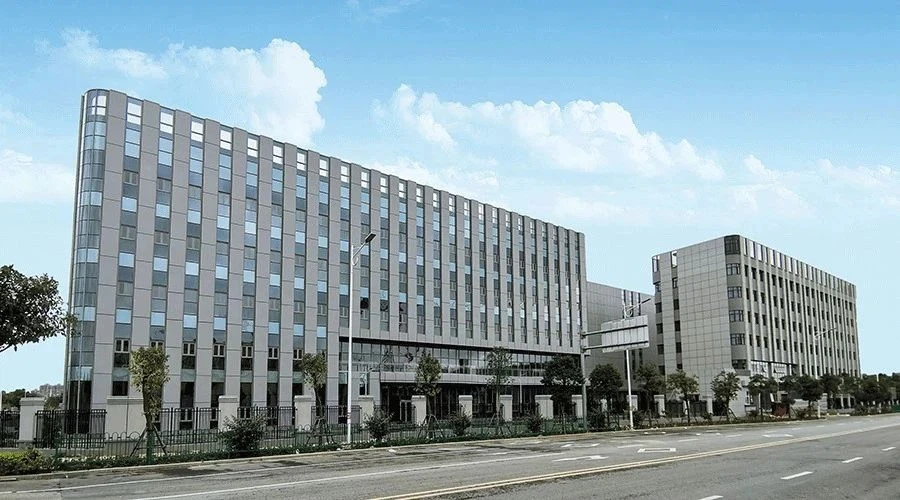
The company is positioned as a high-end FPC & FPCA production and service for the industry customers to provide FPC & FPCA processing and production, board design, components on behalf of the procurement, processing, and manufacturing and BGA, CSP, POP, and other complex packaging devices and other high-quality services. The company invested RMB 15,000,000 to build a one-stop FPC&FPCA production line, currently has an automatic imported exposure machine, imported vacuum two-fluid DES, and other automated production lines, combined with Industry 4.0, is committed to creating high-quality, high-end-products-for customers.
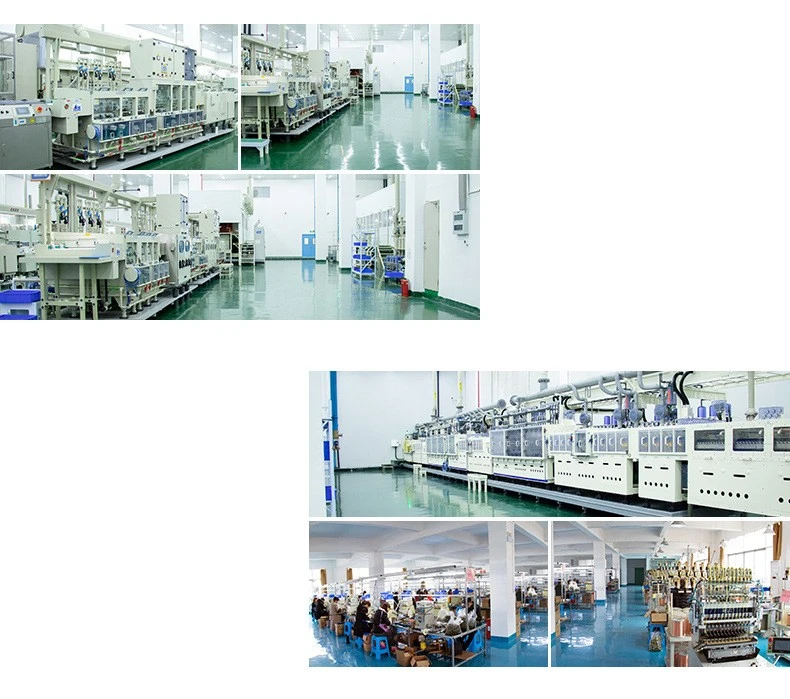
Our company adheres to the "specialized quality, outstanding future" principle, and has maintained a good competitive advantage in product development and manufacturing. There is no peak in technology, and there is no end to the research, we are based on the concept of continuous improvement and sustainable management, and constantly improve the innovative content of products and product quality.

Q: What is the difference between flexible PCB and traditional PCB?
A: The biggest difference between flexible PCB and traditional PCB is its different material and appearance. Flexible PCBs are made from flexible substrates, while traditional PCBs are made from rigid substrates. In addition, the flexible PCB can be folded in a tortuous way and folded in one piece, which is convenient for storage and transportation.
Q: What are the applications of Flex Printed Circuit Boards?
A: Flexible PCBs are widely used in various electronic devices, including consumer electronics, automobiles, medical devices, aerospace, industrial automation, human-machine interfaces, and other fields. The use of flexible PCBs can reduce the volume and weight of electrical equipment, thereby expanding its range of applications.
Q: What fields can flexibly circuit boards be applied to?
A: Flexible circuit boards can be used in many fields, such as wearable technology, medical devices, automotive electronics, aerospace, and smart homes. Due to its flexible bending properties, it can better adapt to the needs of various application scenarios.
Q: What are the advantages of flexible circuit boards?
A: Flexible circuit boards have many advantages, including (1) Thin and light: thinner and lighter than rigid circuit boards, occupy less space, and are suitable for small electronic products; (2) High reliability: the flexible circuit board has better shock resistance and vibration resistance, and the reliability of electronic devices is higher; (3) Flexible: The flexible circuit board can be bent, flipped, twisted, etc., and is suitable for various irregularly shaped electronic products; (4) Low production cost: flexible circuit boards can accept a series of different production processes, so the production cost is relatively low.
Hot Tags: flex printed circuit boards, China flex printed circuit boards manufacturers, suppliers, factory, Flexible Fpc, Flexible Printed Circuit Board, Advanced Circuits PCB, Flexible Printed Board,


