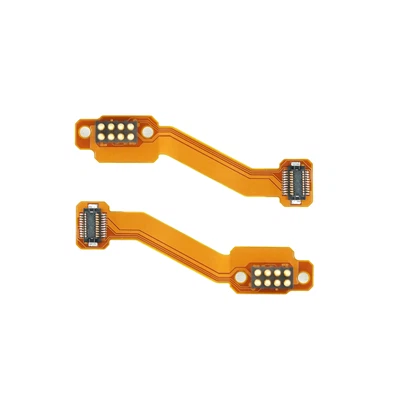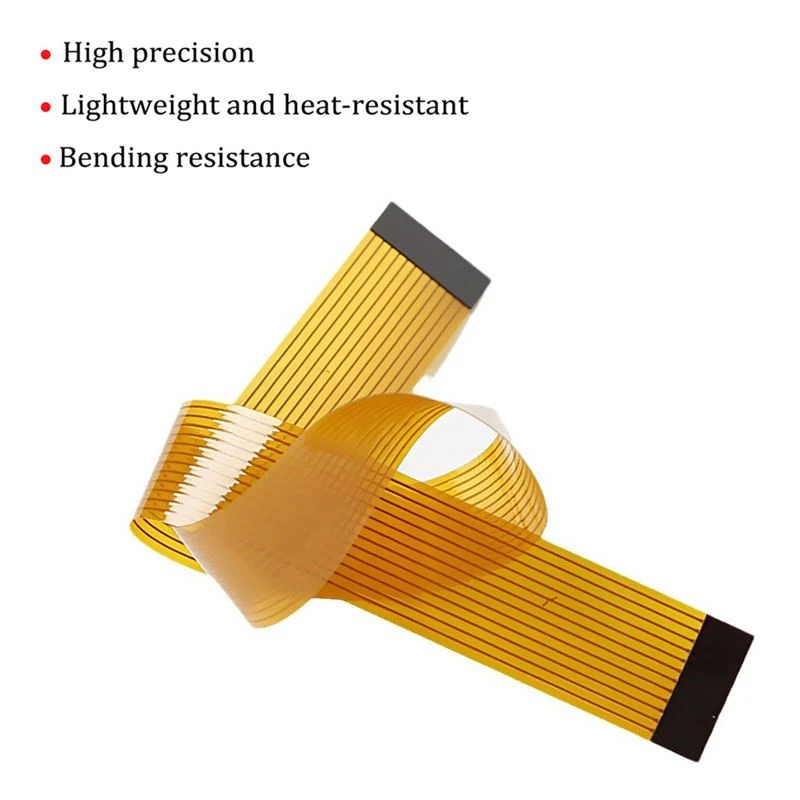


A Flexible PCB LED, also known as a flex circuit or flexible printed circuit board, is a type of printed circuit board that is made of a flexible insulating substrate material. The most common substrate materials used are polyimide or polyester films, such as Kapton or Mylar.
Flex PCBs can be bent, folded, wrapped, or shaped to fit mechanical requirements and three-dimensional spaces. This flexibility allows flex PCBs to be used in many applications where rigid PCBs would be difficult or impossible to integrate.
Advantages of flexible PCB:
Here are some of the key benefits that make flex PCBs a popular choice in many electronics:
1. Flexible – Can conform to different shapes and spaces. Ideal for moving parts and dynamic flexing environments.
2. Thin and lightweight – Allows integration into tight spaces and portable devices.
3. Durable – Withstands vibration, shock, and repeated bending.
4. High reliability – Well-established manufacturing process produces reliable interconnects.
5. Efficient routing – Complex routing paths can be produced that are not feasible with rigid PCBs.
6. Soft and foldable – Allows customized 3D packaging and cabling.
Flex PCBs open up opportunities that are not possible with standard rigid boards. Their unique set of advantages allows engineers to integrate interconnects in ways that were previously very challenging or not feasible.
Flexible circuit board manufacturing process
1. Flexural Stresses
Avoid sharp corners or sudden changes in trace directions. Use teardrop pads at junctions between traces. Manage stresses near connectors with anchoring vias.
2. Trace Width and Spacing
Use wider traces than the minimum required to increase lifetime. Common trace widths are between 0.1mm to 0.3mm. Provide adequate spacing between traces for manufacturing tolerances.
3. Stiffener Placement
Strategically place stiffeners to manage stresses. Allow enough flex area for dynamic bending applications. Anchor stiffeners when using advanced HDI flex layers.
4. Component Sizing and Placement
Use smaller, lighter components when possible. Place components intelligently to minimize stresses. Allow space for adhesive fillets around component pads.
5. Stickup Construction
Select substrate, adhesive, and coverlay materials suited for the required flexibility, lifespan, and reliability. Most flex PCBs are 1 or 2 conductive layers.
6. Bending Radius
Do not bend flex PCBs tighter than their minimum bending radius specification, or traces may fracture over time.
7. Test and Qualification
Test thoroughly with environmental stress screening, cycling, shock/vibe, and temperature extremes to validate the design.
By appropriately considering these design guidelines, flex PCBs can be optimized to meet the mechanical and electrical requirements of dynamic flexing applications.
Flexible PCB Design Considerations:
 Flex PCB fabrication involves specialized manufacturing techniques to produce thin, flexible circuit boards. Here is a simplified overview of the flex PCB manufacturing process steps:
1. Design – Create a flex PCB design file according to flex design guidelines.
2. Film Preparation – Cut flex substrate material such as Kapton or polyester to size. Prepare bonding films.
3. Photolithography – Laminate photoresist dry film. Expose with a circuit pattern. Develop to form the etched pattern.
4. Etching – Etching away unwanted copper not protected by photoresist to form traces.
5. Stripping – Remove remaining photoresist.
6. Die Cutting – Cut individual flex PCB outlines from the panel.
7. Elongation – Stretch flex PCBs to relieve internal stresses. Improves flex lifetime.
8. Solder Mask – Screen print or laminate solder mask over traces for insulation and protection.
9. Automated Optical Inspection – Inspect circuit patterns for defects using the AOI system.
10. Electrical Testing – Validate PCB electrical connections that meet specifications.
11. Assembly – SMT component assembly and soldering if required.
12. Quality Inspection – Visual inspection and functional testing of completed boards.
13. Packing and Shipping – Carefully package flex PCBs to avoid damage during transportation.
Flex PCB production requires specialized skills in handling ultra-thin flexible materials and managing stresses in fabrication processes. When produced by an experienced manufacturer, high-quality and reliable flex circuits can be manufactured.
FPC applications and examples
Here are some examples of innovative FPC implementations:
Consumer Tech – Flexible circuits connect LCD/OLED displays to PCBs in smartphones, TVs, and laptops. Apple Watch band integrates FPC with sensors.
Automotive – FPCs link control buttons on the steering wheel to electronics. Also used in blind spot detection, video mirrors, and sensors.
Medical – Flexible circuits integrated into patient monitoring patches, glucose sensors, and disposable diagnostics.
Industrial – FPCs connect moving printheads on wide format printers. Also used in robotics arms.
Military – Ruggedized flex circuits operate antennas and radar systems in extreme environments. Used in missiles and soldier systems.
Aerospace – Flexible circuit boards on joints of robotic arms on Mars rovers and space stations. Also used in satellites and UAVs.
Some recent uses of FPC include Apple's dynamic island, VR headsets, flexible displays, advanced driver assistance systems (ADAS), and foldable smartphones. The unique properties of FPC enable many leading-edge electrical and mechanical systems across industries.
Group Profile
With 10 subsidiaries, ZHUHE company is a comprehensive service provider of electronic technology and electronic products, which can provide customers with professional OEM/ODM services, and the company's products and technologies are diversified, covering semiconductor devices, pulse motors, high-frequency transformers, inductors and the core components of various electronic products PCBA (Printed Circuit Board Assembly) & FPCA (Flexible Printed Circuit Assembly) and other products, focusing on aerospace, military industry, industrial control, data communication, automotive electronics, medical electronics, new energy technology and AI intelligent technology fields, the main markets at home and abroad, core customers throughout the United States, Japan, Germany and other domestic and foreign customers.

Zhuhe company invested 150 million yuan to build a one-stop FPC &FPCA production line, and currently has automatic production lines such as automatic imported exposure machine and imported vacuum two-fluid DES, combined with Industry 4.0, and is committed to creating high-quality and high-end products for customers. Provide customers with FPC&FPCA production and high-quality services: FPC&FPCA processing and production, layout design, component procurement, processing and manufacturing, and BGA, CSP, POP, and other complex packaging devices.
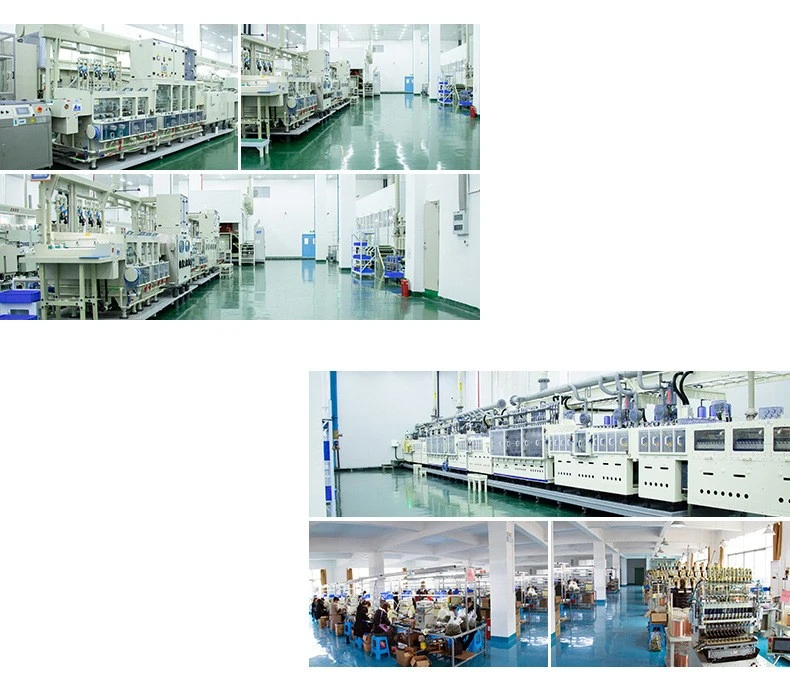
The company has a strong R&D team and professional automated production lines, gradually introduces advanced production equipment and increases investment in the degree of automation of the production line, improves the level of production capacity and manufacturing technology, and establishes a sound quality management system and supply chain system; Provide the best quality intelligent control solutions and products.

Q: What are some typical applications of Flexible PCB Led?
A: Some of the most common applications for flex PCBs include consumer electronics, automotive, industrial machinery, aerospace, and medical devices. The need for dynamic flexibility, space-savings, improved reliability, and cabling make flex circuits an attractive option across many industries.
Q: What thickness range do flex PCBs typically come in?
A: Flex PCB thickness generally ranges from about 12 microns on the low end up to around 200 microns on the high side. Typical flex PCB thickness is around 25 to 75 microns. Rigid sections are usually thicker FR4 areas in the 0.4 to 1.6 mm range when constructed as rigid-flex boards.
Q: How many conductive layers can you get on a flex PCB?
A: The majority of flex PCB designs have 1 or 2 conductive signal layers. Some high-density interconnection flex circuits are designed with 4 to 8 layers. The thinnest flex PCBs tend to be single layers, while multilayer flex provides the highest interconnection density in the smallest space.
Hot Tags: flexible pcb led, China flexible pcb led manufacturers, suppliers, factory, Flexible Printed Circuit Board, , Flexible Printed Board, , , Flexible Fpc